Temperature and Humidity for an Indoor Vegetable Garden
Why most homes run colder and drier than plants want, the ranges each stage actually needs, and the cheap gauge that replaces guessing with a real number.
Every Windowsill Harvest guide in one place — herbs, leafy greens, dwarf tomatoes, microgreens and the indoor growing gear we have tested.
33 articles published
Why most homes run colder and drier than plants want, the ranges each stage actually needs, and the cheap gauge that replaces guessing with a real number.
Yellowing can mean overwatering, underwatering, too little light, a nutrient deficiency, cold, or pests. A pattern-based way to tell them apart instead of guessing.
Radish leaves tolerate low light; the root does not. Container depth by variety, thinning, and the bolting and crowding mistakes that produce leaves with no bulb.
Radish, broccoli, mustard, sunflower, pea shoots, kale and arugula microgreens compared by days to harvest, pre-soak needs and flavor, so you know which seed to buy.
Bush beans skip the hand-pollination and heavy feeding that make tomatoes and peppers hard indoors. Variety picks, container size and light for a real harvest.
Arugula germinates faster than lettuce, tolerates dimmer windows, and gets hotter with age. The sowing method, harvest timing and varieties that work in a tray.
Container depth by crop, what drainage actually prevents, what is really in a bag of potting mix, and how to tell a plant has outgrown its pot.
Most strawberry varieties will not fruit indoors at all. Day-neutral and alpine types will — variety picks, light, pollination and container size for a real harvest.
The finger test, top vs. bottom watering, and whether a moisture meter is worth buying — how to stop guessing at the single most common killer of indoor gardens.
How to tell mold from harmless root hairs, why microgreens turn pale and leggy, and what causes patchy germination — with a fix for each.
Full-size pepper plants rarely work on a windowsill. Compact sweet and hot varieties do — here is variety selection, germination heat, light and pollination.
Kale needs a deeper pot and more light than lettuce or spinach, but indoors it will not bolt and keeps producing for months instead of weeks.
Green onions, celery and romaine regrow reliably in a jar of water. Carrots and store-bought garlic mostly do not, despite what the photos online suggest. Here is the honest breakdown.
Seed-starting mix, sowing depth, warmth and light timing, and the two weeks after germination that make or break a seedling — the method behind every crop guide on this site.
Potting mix runs out of nutrients in about a month. What the NPK numbers mean, how much to feed by crop type, and how to tell overfeeding from underfeeding.
Comparing the three most common ways to grow microgreens indoors — mess, moisture control, reuse and typical cost — so you can pick the right one for your tray.
Spider mites, fungus gnats, aphids and more — how to identify what is actually on your indoor plants and treat it without spraying pesticide indoors.
Full-size tomatoes rarely work indoors. Dwarf and patio varieties do — here is variety selection, light, feeding and pollination for a real indoor harvest.
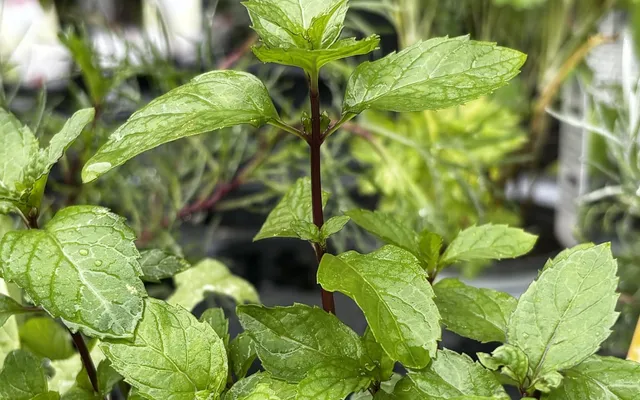
Mint is the easiest herb to keep alive indoors and the easiest to regret planting with anything else. Containment, light, and the propagation trick that gives you endless mint for free.
No wind, no bees — indoor tomatoes and peppers usually need help to set fruit. Three simple hand-pollination methods and how to tell if it worked.
True spinach is pickier than lettuce indoors: it needs cool temperatures to germinate and bolts fast under heat and long light. Here is how to grow it, plus heat-tolerant substitutes.
Beyond startup cost — how soil and hydroponic growing actually differ in flavor, yield, failure modes and how much attention they demand week to week.
What a soil setup and a hydroponic setup actually cost to start, itemized — plus a worked example of how long each takes to pay for itself.
General starting distances for hanging a clip-on or panel grow light above your plants, by actual wattage — plus how to verify the number with a $0 phone app.
Real US electricity rates applied to real grow light wattages — the actual monthly cost of running a windowsill setup, not a guess.
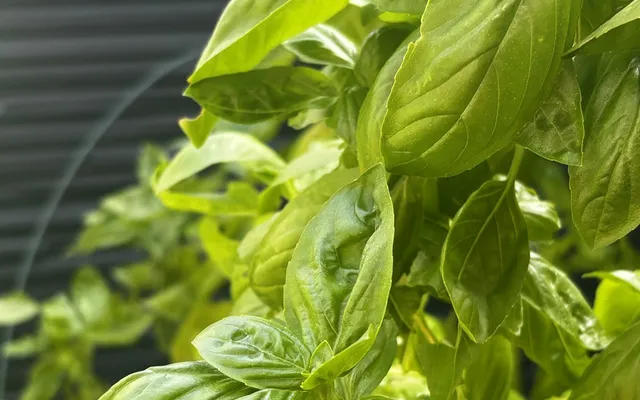
Basil is the hardest common herb to keep alive indoors. Work backwards from what you actually see on the plant to the seven most likely causes and their fixes.
North, south, east or west — each window direction suits a different set of herbs. Match your window to the right herbs instead of guessing and hoping.
A step-by-step checklist for starting an indoor vegetable garden — how to audit your light, choose containers, and pick crops that actually produce food indoors.
Fifteen vegetables ranked by the light they genuinely need, with target lux levels, germination times, and days to harvest — so you can match crops to your actual window.
Four real clip-on LED grow lights compared on published wattage, brightness and timer specs — a buying guide, not a lab report, with sources linked.
Supermarket basil dies in about 20 days. Here is how to split it, repot it, light it and pinch it so a single pot keeps cropping for months.
One shallow tray, four sowings and a pair of scissors will keep a salad habit going all winter. Here is the sowing schedule and the varieties that work indoors.
No grow light, no drainage, no soil depth required. A step-by-step method for going from dry seed to a tray of microgreens in about ten days indoors.